




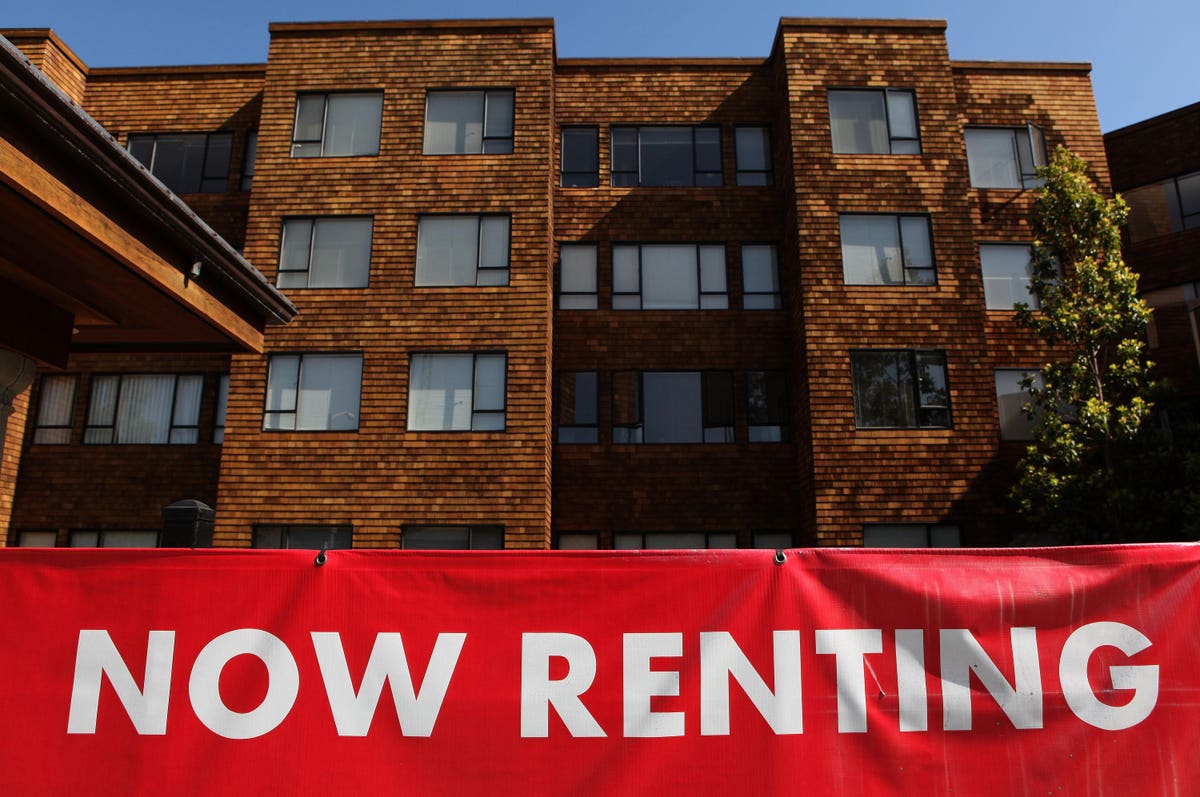
In terms of sales volume, multifamily is the largest asset class in commercial real estate, followed by industrial, office, and retail, per data from Real Capital Analytics. The segment currently has a national vacancy rate of 6.7%, according to CoStar, which projects that rent growth will moderate during the next 12 months from 3.7% to 1.8%. Still, many investors are standing by and watching as interest rates rise and recession fears swirl throughout the country.
Though it’s impossible to predict the future, multifamily has historically been known as a relatively safe investment compared to other commercial property types. Apartments, for instance, fulfill an ongoing need in society (giving workers a roof over their head!) and provide the potential of rent income from various streams, reducing overall risk. I often recommend it as a starting place for beginning investors looking to learn the ropes and build a portfolio.
In this article, the third of the series, “Making Investment Decisions in Today’s Real Estate Market,” we’ll explore the advantages of multifamily investments. (See the first article and second article of the series). I’ll also break down some of the disadvantages you may find in this asset class, along with ways to decipher your risk tolerance as you move forward. Understanding these elements before you jump in can increase your chances of ongoing success.
Here are five factors to consider as you think about multifamily assets:
1. Know what multifamily is.
Any property that is designed for two or more households is considered multifamily. Think duplexes, townhouses, condos, apartment buildings, and the like. The number of units in these properties can vary substantially, ranging from two to 10, 20, 40, or more. If you acquire one of these buildings and move into a space, it’s usually called a live plus investment property.
Regarding loans, you may be able to take out a residential loan if you purchase a multifamily with four or fewer units and reside in one of them. For commercial purposes, the focus tends to be on properties with five or more units. At this stage, you’ll need a commercial real estate loan, which will have different requirements and terms than home loans.
2. Have the right team in place.
Before signing and closing on a multifamily property with five or more units, I always encourage investors to consider their bandwidth and area of expertise. How practical is it to manage 10 or more units? How will repairs be handled? Who will collect and monitor rent? How will you decide which renovations to make and what rents to list?
Herein lies the difference a strong team can make. You’ll want to know and work with players who are able to give you insider tips to get the returns you’re looking for (and even outperform the market if you play it right). Keep these professionals in mind as you build your network: investment sales brokers (full disclosure: this is my line of work), rental brokers, mortgage brokers, property managers, accountants, and attorneys.
3. Understand the pulse of your market.
Post Covid, we’re seeing an uptick in demand for residences with spaces to work, like built-in home offices. The trend could present an opportunity to purchase and reposition an existing property. Before diving in, check the local market. You don’t want to provide features that renters aren’t interested in. Even though work-from-home is a national trend, you could find that the neighborhood where you’re investing has workers that go to the office every day. Or they might be satisfied with foregoing the extra space to save on rent costs.
4. Evaluate your financials.
What are other properties in the neighborhood selling for? What rents are being charged? What do units down the street look like on the inside? Are tenants moving in—or is the neighborhood changing in other aspects?
Most investors check the cap rate before making a move. The cap rate is the income a property generates divided by its current market value. A higher cap rate typically signals more risk while a lower cap rate means the investment carries less risk.
5. Review your limits.
Every property will come with parameters regarding what you can do with it (and what you aren’t permitted to carry out). Check for rent regulation policies, which establish limits on rent adjustments from year to year. If you’re buying a property that only allows rents to be raised 5% every year, you’ll want to compare that to your debt service and other expenses to determine your return.
Rent regulation can vary from state to state, and even from one city to the next. In New York City, you’ll find rent stabilization and rent control, which limit how much landlords can ask for from tenants. States such as California and Oregon have implemented statewide caps on rent increases, limiting how much you can raise the amount that tenants owe each month. When buying in these areas, look for a higher return out of the gates to offset any rent limitations that are already established. If you’re interested in units that are free to be rented at market value, carry out due diligence and bring in a landlord tenant attorney to help with the process.
Overall, multifamily can serve as an incredible long-term investment. There are growth markets sprinkled in different areas of the country where rents are increasing from year to year. For best results, make sure your capital and your investor expectations align with your business plan.
Read the full article here