




When property owners want to build anything, they need to get a building permit. For many projects, they often also need to get a potentially wide range of discretionary approvals from municipal authorities. Those permits and approvals often require a developer to deliver a range of “community benefits” in exchange, which can entail a protracted negotiation. The municipality tries to extract as much as possible – parks, traffic improvements, roads, other infrastructure upgrades – while the developer tries to figure out how to still have a project that might make money.
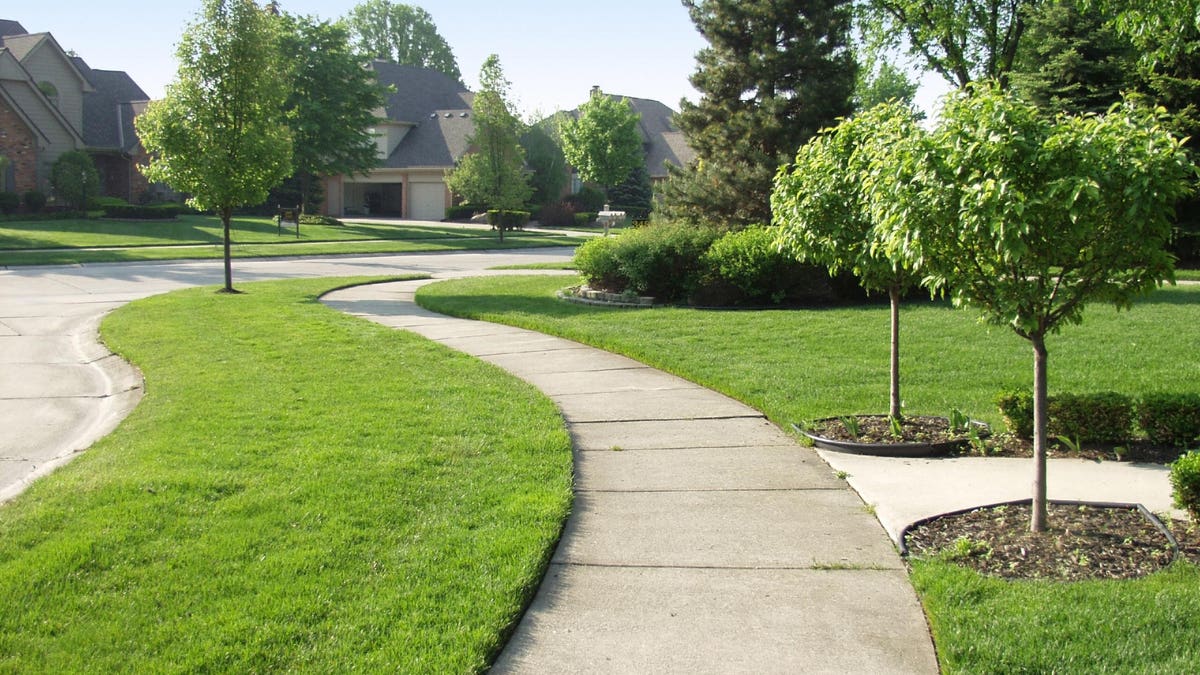
Along these lines, a few years ago the Nashville municipal government passed a law that said anyone who wants a permit to build a house or certain other buildings must build a sidewalk along the edge of their lot next to the street. In addition, the permit applicant must grant the municipality an easement allowing the public to use the sidewalk. In some cases, the permit applicant could skip the sidewalk construction by paying the municipality the estimated cost of sidewalk construction on the applicant’s property – around $200 per linear foot – so the municipality could build a sidewalk somewhere else.
Two Nashville residents who wanted building permits sued the municipality in federal court, arguing that the sidewalk law constituted an illegal taking of private property. They said the government was using its ability to withhold permits to accomplish for free something for which it would otherwise have to pay – construction of sidewalks and creation of easements to make those sidewalks useful for the public.
The trial court “easily” sided with the municipality. When the plaintiffs appealed to the Sixth Circuit federal appellate court, though, they achieved a much better result.
The appellate court concluded that if the municipality had simply wanted sidewalk easements, it would have had to pay for them. If the municipality wants to get around that requirement by attaching the sidewalk easement as a condition to granting a building permit, there has to be some logic and proportionality to the linkage. If the condition ties to the impact of a development project on the public, then it’s probably valid. But the government can’t necessarily use building permit conditions as a mechanism to impose on a single builder a cost that the government itself ought to bear. The condition also can’t relate to something totally independent of the development project, such as a requirement to write a check so the government can build a sidewalk somewhere else. Taking all of those considerations into account, the Sixth Circuit concluded that Nashville’s sidewalk law accomplished an unconstitutional taking.
The basis for the decision of the case seems rather mushy and unpredictable. One could reasonably argue that construction of a sidewalk in front of a new house ties rather directly and neatly to the utility of the house, its interaction with the public roadway, and the impact of the house on the community. The cost of that sidewalk construction hardly seems extraordinary or disproportionate when compared against the cost of other sitework for the house, and the house itself. Of course, that argument partly fails if the permit applicant was merely required to write a check so the government could build a similar length of sidewalk somewhere else.
The Sixth Circuit case suggests a judicial skepticism about governmental exactions for development projects. It suggests that the government can’t just ask for anything it wants as the price of permits or approvals. Instead, there are limits. They are meaningful. If that in fact properly states the governing law, then it might call into doubt much of the horse-trading and governmental exactions that any developer of a substantial project must endure in today’s world.
Read the full article here