




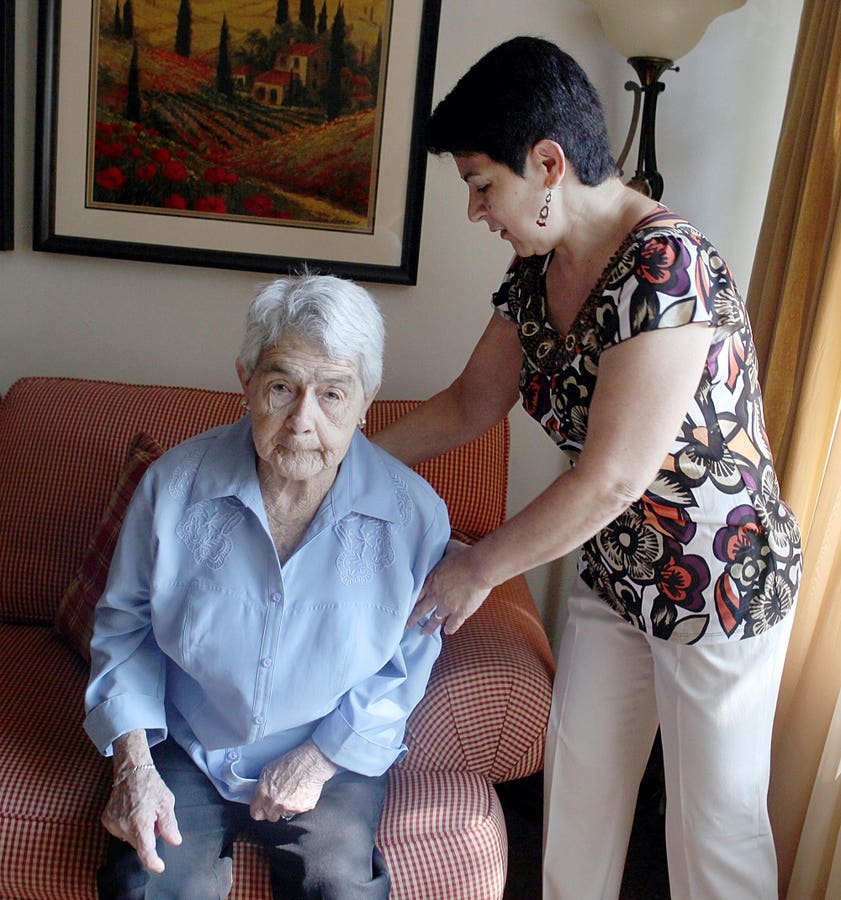
Enormous attention is being given to controversial drugs aimed at slowing the progression of early-stage Alzheimer’s disease. Yet, a very different set of clinical innovations holds the promise of helping far more people living with dementia and their families in more immediate—and perhaps more effective—ways.
These care delivery models are aimed at breaking down the often-impenetrable barriers between health care and social supports. Their goals: Improve the quality of life for people living with dementia and support their family caregivers by coordinating today’s highly fragmented system of care.
While many of these models show great promise, they have been slow to take hold. Among the challenges: A payment system that is poorly designed to support them. Medicare, for example, generally will not pay for non-medical services such as caregiver training.
In 2019, the Milken Institute identified a half-dozen coordinated care delivery programs for people living with dementia. Each is somewhat different but all show the promise of improving the lives of those living with dementia and their families and lowering health care costs. Interestingly, nearly all are built around care teams led by nurses and non-clinical patient navigators, not physicians. Here are a few examples:
Building A Care Plan
Care Ecosystem, developed by the University of California San Francisco (UCSF) is funded with grants from the National Institute of Aging and operates demonstrations in California, Louisiana, and four states in the Midwest.
It is a phone and web-based support program, where the main point of contact is a care navigator who answers most routine questions. A nurse, social worker, and pharmacist respond to more technical questions. The navigator routinely checks in with families but also responds to calls or online requests for support.
A 2019 study found the model slowed decline in quality of life and reduced emergency room visits for participants. Family caregivers reported lower rates of depression and caregiver burden. There was no significant change in hospital visits and a modest reduction in health care costs.
Just down the coast, the UCLA Health Alzheimer’s and Dementia Care Program (ADC) is a nurse practitioner-based program that provides medical and social evaluations of people with dementia and helps build a care plan. It also provides 24/7 telephone support and family caregiver training.
Analysis of an early version found participants stayed at home for longer, patients and their families reported less depression, and participants’ annual health care costs fell by about $2,400.
Johns Hopkins University created its version, called Maximizing Independence at Home (MIND at Home), where a care team conducts in-home assessments and helps participants build care plans. Using a team including a non-clinical navigator, a nurse, an occupational therapist and a geriatric psychiatrist, it provides education and counseling, referrals to community resources, and training in behavior management skills.
Hopkins created a Medicaid-based pilot program in Texas and a private pay model operated through the Johns Hopkins Home Care Group. An early version helped keep people at home longer, reduced unmet needs, and resulted in a better self-reported quality of life.
Supporting Family Caregivers
The Benjamin Rose Institute (BRI) developed a model that aims to providing coaching and support to family caregivers, either directly or through about 30 participating local organizations.
It is a telephone and email-based system that assesses care needs, helps families develop a care plan, and follows-up to be sure the plan is working well.
BRI, a century-old Cleveland-based non-profit, also created a program called SHARE that engages both those living with early-stage dementia and their care partners in a series of structured conversations about how to manage the progressive brain disease.
Clinic-based care
Emory University’s Integrated Memory Care Clinic may come closest to the ideal of fully integrating medical care and social supports. It is effectively a primary care practice built on in-person visits with advanced practice nurses. The clinic provides a wide range of services, from routine medical exams and immunizations to cognitive assessments, care coordination, caregiver supports, and counseling. It is staffed primarily by nurses, social workers, and occupational therapists.
In not-yet-published research, IMC found that its clinic-based program reduces hospitalizations, inappropriate medication use, and unnecessary medical tests.
The program also includes a Memory Care in the Community program that brings these in-person services to residents of some Atlanta-area senior living facilities for a monthly fee starting at $250.
Because Emory can bill Medicare for its clinical services (though not some of its social supports), it breaks even financially. Many other programs still rely on philanthropy and grants to fund operations.
These programs all show promise. But they count the number of people they have helped only in the thousands at a time when somewhere between 6 million and 7 million people in the US are living with dementia.
These care delivery models will only grow to the scale needed when the health care payors—Medicare, Medicaid, and private insurance—finally catch up with the innovations.
Read the full article here