




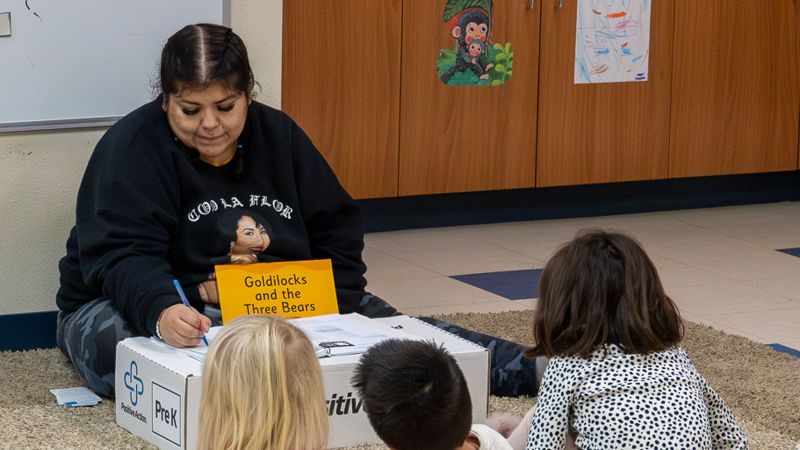
Sarah Morgan was looking forward to enrolling her 1-year-old son Lucas at the Skagit Valley Family YMCA’s early learning center in Anacortes, Washington, this fall.
Her older son Jameson, 5, had a wonderful experience there, learning his letters, numbers and colors, as well as social skills – all of which smoothed his transition to kindergarten this year.
But in late August, Morgan found out that the YMCA was closing the Anacortes center.
Like many child care providers across the nation, the YMCA has had to rethink its operations with the looming expiration of a $24 billion federal Covid-19 pandemic support program that kept many centers afloat over the past two years. The nonprofit, which received $271,000 for its early learning programs, opted to close the Anacortes location, which served 21 families, so it could funnel its resources into its three remaining centers, said its CEO Dean Snider.
That decision has left the Morgan family scrambling to find alternate arrangements for Lucas. Child care is limited on Anacortes, an island in the northwest part of the state. The YMCA’s closest remaining centers are a 40-minute drive away, which doesn’t fit the work schedules of either her or her husband, Travus. And the nannies they interviewed asked for hourly rates that are close to what Morgan earns.
So Morgan plans to place Lucas with an in-home provider, though she worries he won’t have the same educational opportunities that his older brother had at the YMCA.
“It’s really sad that my next one won’t have that type of experience,” said Morgan, a social worker employed by the state. “It’s just really been devastating.”
Nationwide, more than 70,000 child care programs are projected to close, and about 3.2 million children could lose their spots due to the end of the child care stabilization grant program on September 30, according to an analysis by The Century Foundation.
The historic federal investment, which was part of the $1.9 trillion American Rescue Plan Act that Democrats passed in March 2021, supported more than 220,000 child care programs, affecting as many as 9.6 million children, according to the federal Administration for Children & Families. It reached more than 8 in 10 licensed child care centers, helping them hold onto workers by offering bonuses and raising wages, cover their rent, mortgage and utilities, buy personal protective equipment and other supplies, and provide mental health support.
“We have not spent that much money on child care previously in the US,” said Julie Kashen, women’s economic justice director at The Century Foundation. “What we learned was that it worked. It kept programs open. It helped address the staffing shortages. It kept children safe and nurtured. It kept parents working.”
Child care in America has long had issues: The costs are steep for both providers and parents, leaving it both in short supply and unaffordable for many families. Last year, the average annual price nationwide was nearly $11,000, according to Child Care Aware of America, though the rates can be much higher depending on the location.
At the same time, the pay is low, making it hard for workers to commit to the industry and for centers to hold onto their staff. Child care workers typically earned $13.71 an hour, or $28,520 a year, in 2022, according to the Bureau of Labor Statistics. Employment remains lower than it was prior to the pandemic.
For Carla Smith, the stabilization grants were a “miracle.”
Smith, who founded Cornerstone Academy in Arlington, Texas, 17 years ago while nursing her newborn son, used $1.1 million in stabilization grants and other federal relief funding to rebuild after enrollment plunged in the first year of the pandemic. She was able to hire more employees and boost the wages of her teachers and administrative staff to as much as $25 an hour. That’s about double what most were earning before and enticed them to stay at the academy.
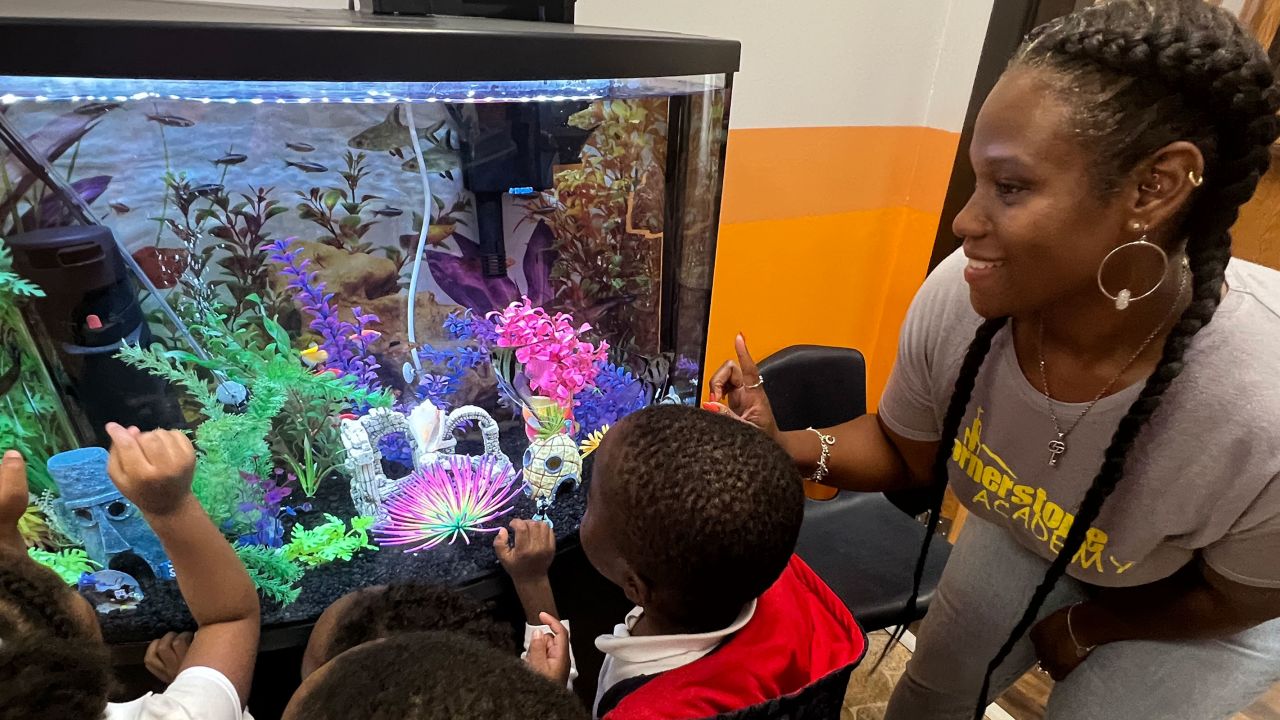
“It kept the day care open. It kept day care workers employed, and it kept families employed,” said Smith, who now cares for 50 children ages 6 weeks to 5 years.
Now that she won’t receive any additional federal stabilization funds, Smith is worried she might have to close her doors next summer if the church that houses the center doesn’t step in to help. She just raised tuition by up to $200 a month for most children and $600 a month for infants, prompting one family to leave and several others to pull out of the after-school program. She and the assistant director have taken five-figure pay cuts, she laid off one worker and she reduced the hours of the others.
“The next layoff will be myself,” she said, noting that she’s already looking for other jobs so she can keep the academy operating.
Without the stabilization grants, the Chinese-American Planning Council in New York City will have a tougher time hiring and retaining staffers who care for 180 children at six sites, said Mary Cheng, the director of childhood development services. The nearly $600,000 in funding allowed her to provide bonuses of up to $2,500 every six months between July 2021 and this summer, as well as temporarily increase the pay of the after-school staff by a dollar or two. In addition, she used the funds to buy air purifiers and cleaning supplies, as well as provide mental health support for the children and staff.
Now, she’s looking for several teachers and assistant teachers, as well as an education director for one of the sites. But it’s hard to attract candidates when the pay she’s offering – even for the director role – is less than an entry-level public school teacher.
Already, because of the staffing shortage, she’s had to close one classroom in a public housing development, turning away the parents of 12 children.
But the council may have to undertake some more fundamental changes to its child care program, which has been funded by the city since it started in the 1970s. Cheng is looking to raise $500,000 in donations and grants for its preschool and after-school programs this year to cover the shortfall in federal support, far more than the $15,000 it has raised annually in the past.
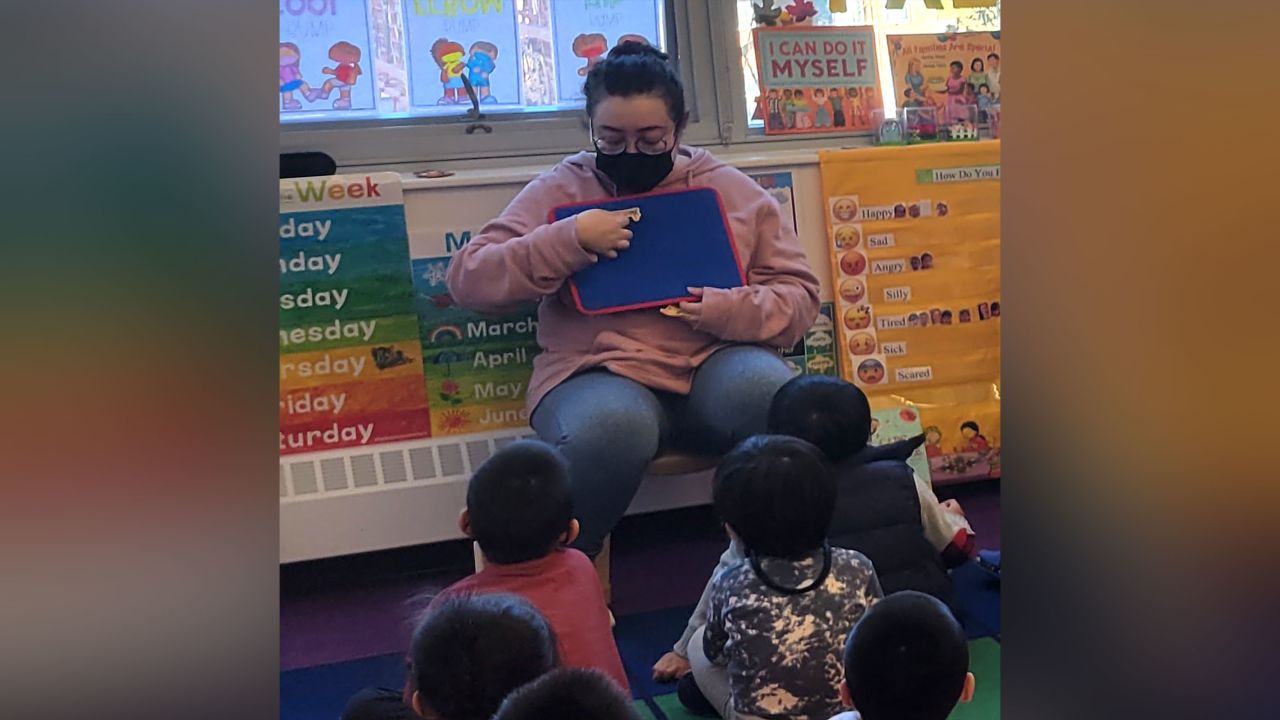
And it may have to start accepting children whose parents can pay tuition for the first time.
“Now I have to think about ‘How do I make a profit?,” said Cheng, who attended the child care program when she was little. “You have to sustain the programming that has to happen for these families. You have to think about a profit in that way because when things hit the fan like this, you’ve got to figure out ‘What can I do to make ends meet?’”
A group of Democratic and independent senators and representatives are pushing to extend federal assistance for child care beyond September 30. They introduced the Child Care Stabilization Act, which would provide $16 billion each year for the next five years.
“There was a child care crisis even before the pandemic – and failing to extend these critical investments from the American Rescue Plan will push child care even further out of reach for millions of families and jeopardize our strong economic recovery,” Sen. Patty Murray of Washington said in a statement. “This is an urgent economic priority at every level: Child care is what allows parents to go to work, businesses to hire workers, and it’s an investment in our kids’ futures. The child care industry holds up every sector of our economy – and Congress must act now.”
Meanwhile, a bipartisan bill introduced in the House would enhance three existing tax credits – the Child and Dependent Care Tax Credit, the Employer-Provided Child Care Credit and the Dependent Care Assistance Program – to help make child care more affordable for families and to support employers in sharing the cost of care.
However, getting any additional funding through Congress will be difficult. House GOP hardliners are determined to cut spending in the fiscal 2024 government funding bill, making it more likely the government could shut down on October 1.
Vanessa Quarles is among the many child care providers who hope that Congress renews its support for the industry.
Quarles, who runs Bridges Transitional Preschool & Childcare in Evansville, Indiana, cannot take in more children until she can find more workers. But she can only afford to pay up to $14 an hour, which is barely a livable wage in the area, she said. Quarles raised tuition in February and stopped offering lunch, but she fears she’ll drive away parents if she asks them to shell out any more.
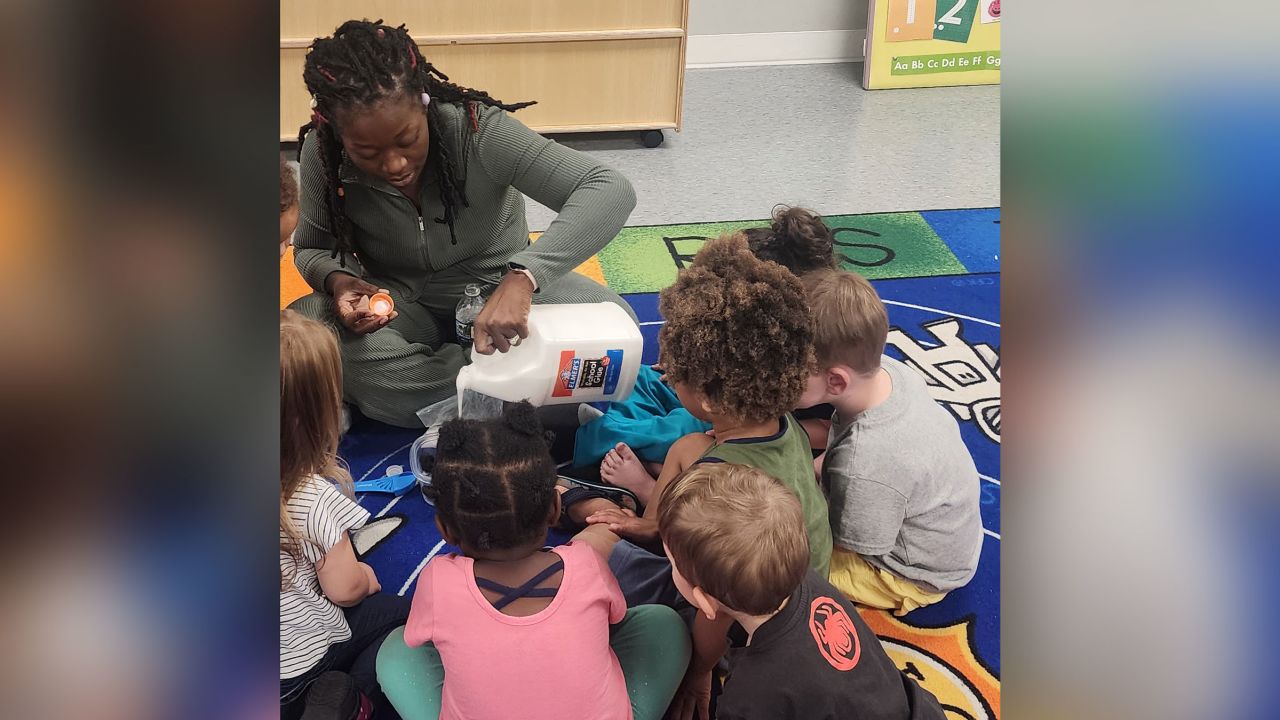
If she received federal funding, she would be able to provide raises and bonuses to attract more employees.
“A lot of people are having a hard time accepting the pay range of child care workers,” said Quarles, who did not receive any stabilization grants. “That’s one reason why we are not fully functioning.”
At least 17 states invested their own money into child care this year, according to a tally by Child Care Aware. These include historic investments by Alabama, Alaska, Maine, Massachusetts, Minnesota, Vermont and Washington.
Washington funneled more than $400 million this year into early learning, the largest investment in state history, according to Child Care Aware. It builds on the Fair Start for Kids Act, which state lawmakers passed in 2021. The effort increased the number of households eligible for assistance by raising income eligibility limits – a family of four earning as much as $5,600 a month in 2023 qualifies for monthly copays of only $165. It also bumped up the rates paid to providers for serving state-subsidized families.
But more needs to be done to keep providers afloat, said Ryan Pricco, director of policy and advocacy at Child Care Aware of Washington. Currently, reimbursement rates are determined by a market survey, but that reflects what parents can afford, not the true cost of care.
“Until we switch our subsidy system, and really our whole financing system, over to a cost of care model and reimburse programs that way, they’re going to continue to struggle to keep up with competitors and other low-income industries,” he said.
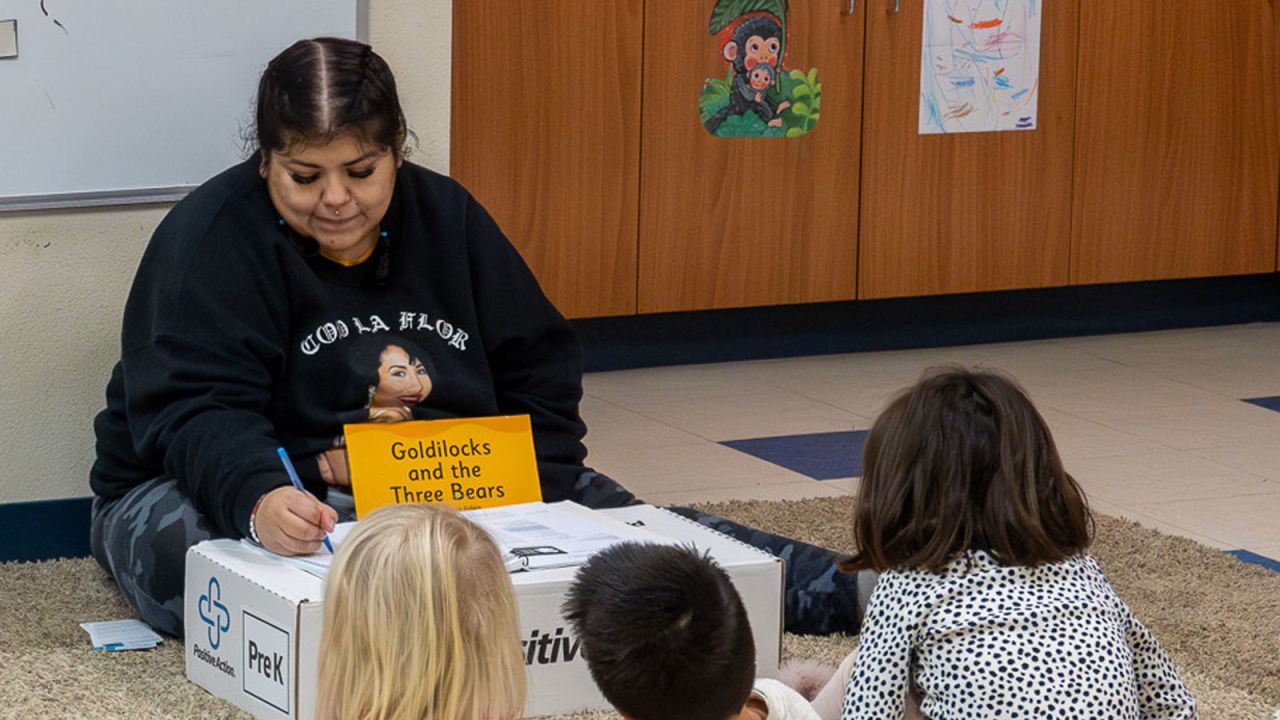
While the Skagit Valley Family YMCA needed the stabilization grants to bolster its child care workforce, those infusions alone are not enough to solve its financial imbalance, Snider said. Revenue from families paying full price and subsidized rates only cover the cost of staffing, not rent, food for the children and other expenses. The agency has racked up six-figure losses across its early learning centers so far this year, which is “obviously unsustainable,” Snider said.
“Early learning is not a viable proposition right now,” he continued. “Everyone calls it necessary, but no one’s willing to put the resources in yet to make it possible.”
Read the full article here